

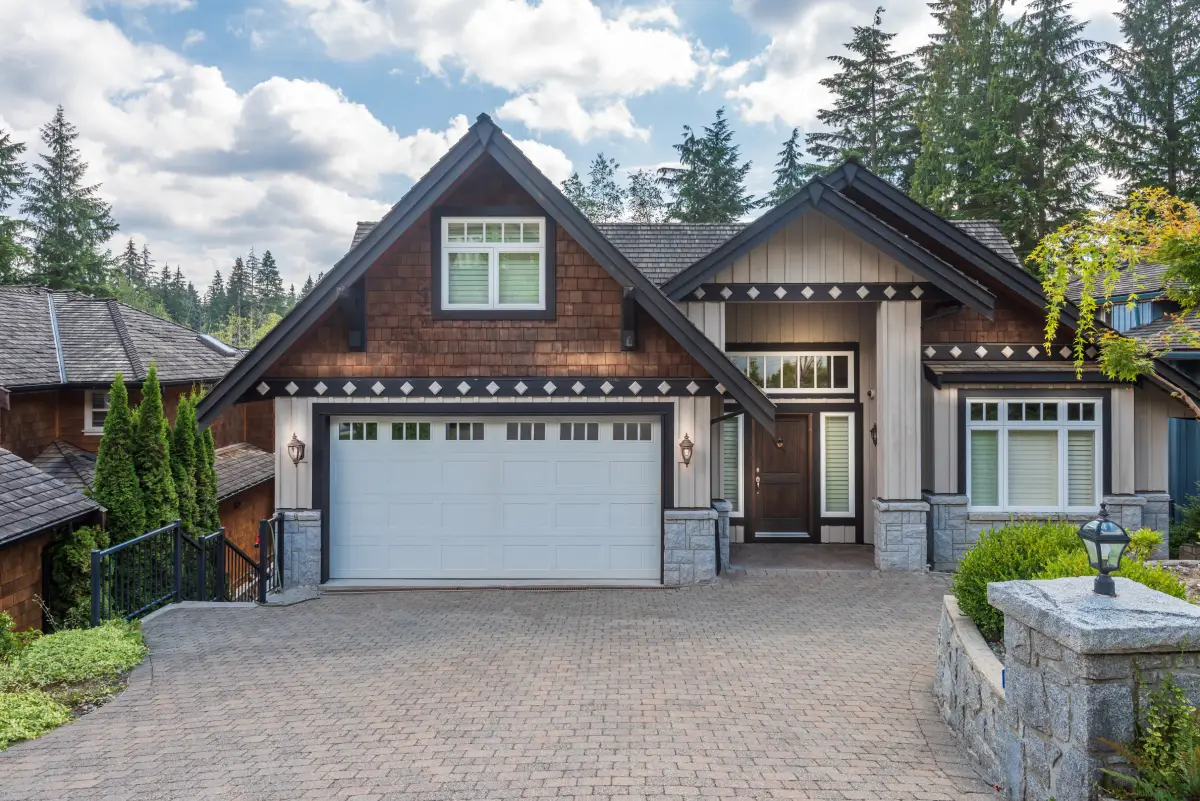
Rental performance often reflects choices made long before a lease is signed, especially when daily ownership realities begin to surface. Many residential owners start by grounding expectations with local numbers, sometimes after running projections through an Atlanta rental ROI calculator, then shift focus toward how manageable a property will feel once tenants settle in. Across Atlanta, single-family homes often meet both goals by pairing renter demand with fewer operational disruptions.
Multifamily properties may appear efficient at first glance, yet shared systems and dense living arrangements tend to create ongoing coordination challenges. Detached homes usually reduce those complications early, giving residential investors more room to focus on stability and long-term performance. Below, we outline why single-family homes continue to outperform multifamily options for residential ownership throughout Atlanta.
Key Takeaways
- Single-family homes reduce operational friction by limiting shared spaces and disputes.
- Atlanta renters often stay longer when homes adapt to lifestyle changes.
- Neighborhood-based competition allows greater pricing flexibility.
- Maintenance planning stays clearer without shared infrastructure.
- Residential portfolios can grow steadily without added complexity.
Privacy That Reduces Daily Disruptions
Single-family homes naturally limit how much residents impact one another, which helps prevent many common management issues.
Fewer shared spaces
Without shared hallways, stairwells, or common entrances, complaints tied to noise, parking, or shared amenities appear far less often. This keeps communication simpler and expectations easier to manage.
Repairs remain isolated
When something needs attention in a detached home, it usually affects only one household. Multifamily properties often involve multiple residents at once, which increases urgency and coordination. Single-family homes help keep responses contained and predictable.
Outdoor Space That Encourages Longer Stays
Outdoor access continues to influence renter preferences across Atlanta. Yards, patios, and driveways give residents personal space that supports comfort and routine.
Features that consistently support retention include:
- Private outdoor areas that allow residents to relax or entertain freely.
- Pet-friendly layouts that attract long-term renters.
- Dedicated parking that reduces recurring disputes.
These details often translate into fewer move-outs and more consistent income over time.
Floor Plans That Fit Changing Needs
Single-family homes tend to align better with how households actually live. Many Atlanta renters want space that can shift without forcing a move.
Adaptable interiors
Extra bedrooms, basements, or flex rooms can serve as offices, guest areas, or hobby spaces. When a home adjusts with its occupants, tenants are more likely to renew.
Separation for work and daily life
Detached homes often provide quieter environments away from shared noise. That separation supports productivity and improves overall satisfaction for renters working remotely.
Owners weighing whether to hold or sell a property often consider how flexibility impacts long-term value, which is why comparing options using a rent versus sell decision can be helpful.
Neighborhood Competition Shapes Rent Strategy
Pricing pressure works differently when properties compete by location rather than by identical units.
Multifamily pricing compression
Apartment buildings often release several units at once. Even minor pricing changes can ripple across the property, tightening margins.
Homes compete on character
In Atlanta, a single-family home may stand out due to location, parking access, or recent updates. That uniqueness allows rent to reflect value rather than matching a neighboring unit. National trends support this, with single-family rents reaching levels reported as 20% higher than multifamily rents.
Maintenance Planning With Fewer Surprises
Every rental needs upkeep, yet structure determines how disruptive maintenance becomes.
Single-family homes usually avoid shared plumbing, HVAC, and electrical systems. Repairs stay isolated, schedules remain simpler, and costs are easier to anticipate. This predictability supports clearer budgeting over time.
Understanding how different property types affect long-term expenses is especially important in markets with evolving ownership considerations, including those tied to off-market property activity.
Risk Considerations Stay More Straightforward
Risk exposure often feels easier to manage with single-family homes. Fewer shared spaces mean fewer overlapping liabilities, which can simplify ownership decisions.
Local context also plays a role. Redevelopment, zoning, and neighborhood growth influence long-term performance, especially in areas shaped by projects like the Atlanta BeltLine, which continues to affect surrounding residential demand.
Demand That Supports Long-Term Value
Atlanta continues to attract renters seeking access to employment hubs, transportation, and established neighborhoods. Single-family homes often appeal to households prioritizing stability and space.
National housing trends reinforce this interest, with the median existing single-family home price reaching $426,800 in the third quarter of 2025. While local pricing varies, the broader trend highlights sustained demand for detached housing.
Portfolio Growth Without Overextension
Single-family homes allow residential investors to expand portfolios at a measured pace. Rather than committing to large multifamily acquisitions, owners can add properties gradually and refine strategies over time.
This approach suits investors who value flexibility and control, particularly when navigating ownership scenarios such as inherited properties or estate transitions. In those situations, working with local probate specialists can help align next steps with long-term goals.
FAQs about Single Family Homes in Atlanta, GA
How do Atlanta neighborhoods influence single-family rental demand?
Neighborhood features such as school access, commute patterns, and nearby amenities strongly affect demand. Single-family homes located near employment hubs or established communities often attract renters seeking consistency and longer-term housing options.
Why do renters choose single-family homes over townhomes or condos in Atlanta?
Many renters prefer single-family homes for added privacy, fewer shared rules, and independent outdoor space. These factors can make daily living feel less restrictive and more comfortable compared to attached housing options.
What role does property layout play in single-family rental performance?
Layouts that include extra rooms, storage, or flexible living areas allow renters to adjust their space over time. This adaptability often supports longer stays and reduces the need for tenants to relocate as needs evolve.
How does maintenance planning differ for single-family homes in Atlanta?
Maintenance usually involves fewer variables since systems serve one household. This makes scheduling repairs simpler and helps owners anticipate costs more accurately without coordinating access across multiple units.
When is a single-family home a better fit than a multifamily property for an investor?
Single-family homes often suit investors who value predictable operations, gradual portfolio growth, and neighborhood-driven pricing rather than managing shared infrastructure or multiple tenants under one roof.
A Clearer Path for Residential Ownership in Atlanta
Momentum doesn’t come from reacting to every market shift, it comes from owning properties that support steady decisions and predictable outcomes. Single-family homes offer that advantage through simpler operations, flexible living space, and demand shaped by neighborhoods rather than shared walls.
At PMI Beltline, our work centers entirely on residential properties, helping owners move forward with confidence at every stage. Take control of your next purchase by connecting with us through our buyer resources and let’s position your investment for lasting performance.