

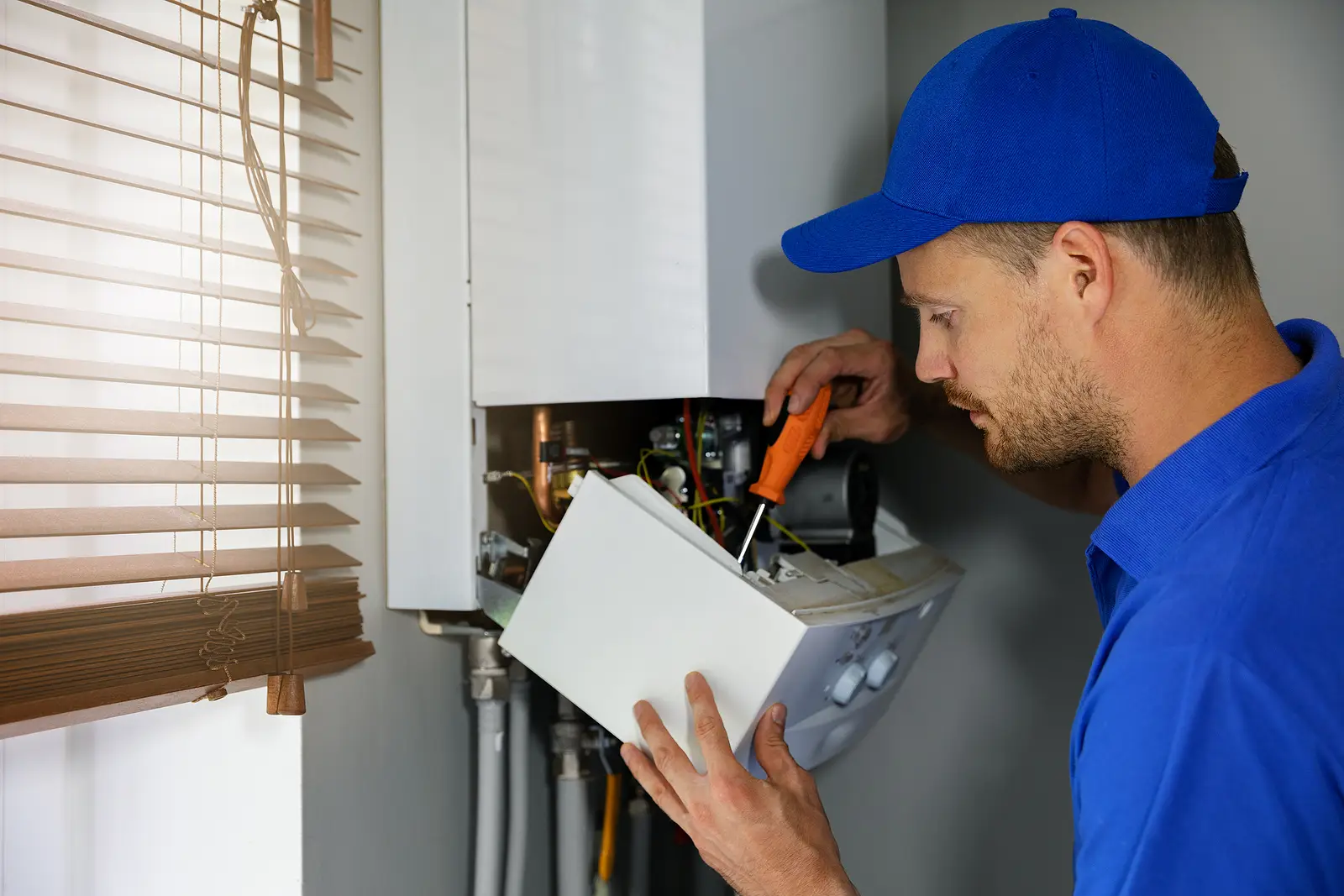
Small maintenance requests can feel routine, especially when supported by a practical tenant management approach. A repair gets handled, everything seems stable, and then the same issue shows up again.
At first, it feels manageable. Over time, repeated repairs begin to form a pattern that affects your time, your expenses, and the overall performance of your rental property. In a fast-moving market like Atlanta, those patterns can quickly become costly if they are not addressed early.
Housing expenses across the country continue to rise. According to the U.S. Census Bureau, median monthly owner costs reached $2,035 in 2024, showing how even small inefficiencies can add up over time.
This article explains what recurring repairs reveal, why they cost more than expected, and how to create a more reliable maintenance strategy for your Atlanta rental.
Key Takeaways
- Recurring repairs often indicate deeper system-level problems
- Short-term fixes can increase long-term maintenance costs
- Delayed upgrades lead to frequent breakdowns and inefficiency
- Consistent repairs improve tenant satisfaction and retention
- Tracking patterns helps prevent ongoing maintenance issues
Recurring Repairs Reveal More Than Surface Problems
When a repair shows up more than once, it is rarely just a coincidence. It often points to a deeper issue that was not fully addressed the first time.
Atlanta properties vary widely in age and construction style. Some systems may already be under strain due to wear, outdated materials, or previous quick fixes. Without a deeper review, those problems continue to resurface.
Common Sources of Repeat Maintenance Issues
- Plumbing clogs caused by buildup or aging pipes
- HVAC systems that struggle due to improper sizing or wear
- Electrical issues linked to outdated wiring
Recognizing these signs early helps you shift from reactive fixes to long-term solutions. In some cases, recurring issues can even uncover problems similar to hidden property damage signs that were not visible during earlier inspections.
The Real Cost Behind Repeated Fixes
A single repair might not feel significant. When the same issue keeps returning, the cost becomes more noticeable.
Each repair visit includes labor, materials, and scheduling time. These costs increase quickly when repairs are repeated over several months.
National data shows that repair needs reached $198.4 billion in a single year, largely driven by unresolved maintenance problems.
Why Temporary Repairs Add Up
Quick fixes usually address immediate symptoms instead of the root cause. That is why the same issue often returns, leading to more service calls and higher expenses.
Using tools like a property ROI calculator can help you understand how repeated repairs affect your long-term investment performance.
Delayed Upgrades Can Create Ongoing Problems
Postponing upgrades may seem like a way to manage costs. Over time, it usually leads to more frequent repairs and higher expenses.
Older systems become less reliable and less efficient. They require more attention and are more likely to fail unexpectedly.
Long-Term Effects of Waiting Too Long
- Increased maintenance frequency
- Higher utility costs due to inefficiency
- Reduced system lifespan
- Greater risk of unexpected breakdowns
Reviewing your property with a rental evaluation service can help you determine when upgrades make more sense than continued repairs.
Tenant Experience Declines With Repeated Issues
Tenants expect repairs to last. When the same issue returns, it creates frustration and uncertainty.
Even if repairs are handled quickly, repeated disruptions affect how tenants feel about the property. Over time, this can reduce satisfaction and trust.
Signs Tenant Confidence Is Dropping
- Repeated complaints about the same issue
- Frustration with ongoing maintenance
- Hesitation to renew leases
Understanding how these patterns affect tenant perception is essential. Reviewing property compliance expectations can also help ensure your property meets current standards while addressing recurring issues.
Turnover Risks Increase When Problems Continue
Recurring maintenance problems can influence a tenant’s decision to stay or leave. Even small issues can become significant when they happen repeatedly.
Higher turnover increases costs related to vacancy, marketing, and property preparation. Frequent move-ins and move-outs also contribute to additional wear.
A more stable property reduces these risks. Evaluating operational performance through structured owner support tools can help identify where improvements are needed.
Creating a More Reliable Maintenance Strategy
Breaking the cycle of recurring repairs requires a proactive approach. Instead of responding to issues as they appear, it helps to focus on long-term solutions.
Practical Steps to Improve Maintenance
- Track maintenance history to identify patterns
- Schedule preventative maintenance regularly
- Replace aging systems before they fail repeatedly
- Work with experienced professionals for proper diagnostics
In some cases, upgrading systems with energy-efficient improvements can reduce the likelihood of recurring issues while improving overall performance.
Coordinating repairs through reliable maintenance service support ensures that problems are handled correctly the first time.
Strengthening Long-Term Property Efficiency
Improving efficiency requires consistency and planning. When maintenance is handled strategically, properties become easier to manage and more predictable in terms of costs.
Preventative maintenance helps identify issues early. Regular inspections reduce the risk of unexpected breakdowns and allow for timely repairs.
Investing in long-term solutions supports better performance. Whether through system upgrades or improved maintenance planning, these decisions lead to fewer disruptions and lower expenses.
Over time, this approach creates a more stable rental experience for both you and your tenants.
FAQs about Recurring Repairs and Rental Property Efficiency in Atlanta, GA
What patterns indicate that a repair issue is becoming a recurring problem?
If the same repair appears multiple times within a short period or affects different areas of the property, it usually signals a deeper issue that requires a more thorough and permanent solution.
How do repeated repairs affect a property’s overall efficiency?
Frequent repairs reduce system reliability and increase maintenance costs. Over time, this can lead to inefficiencies that affect energy use, tenant satisfaction, and long-term property performance.
Are recurring maintenance issues more common in certain property types?
Older properties or those with deferred maintenance are more likely to experience recurring issues. Systems that have not been updated or properly maintained tend to fail more often over time.
Can recurring repairs impact tenant retention even if they are fixed quickly?
Yes, repeated disruptions can create frustration for tenants. Even quick repairs may not restore confidence if the same issue continues to return, which can influence their decision to renew.
What is the most effective way to reduce recurring repairs in a rental property?
Focusing on preventative maintenance, addressing root causes, and replacing aging systems when needed can significantly reduce recurring issues and improve overall property efficiency.
Resetting the Way Your Atlanta Rental Performs
Patterns in maintenance don’t fix themselves, and leaving them unchecked often leads to more frequent disruptions and rising expenses. A shift toward long-term solutions helps stabilize performance and creates a smoother experience for both you and your tenants.
At PMI Beltline, we focus on identifying what’s causing repeat issues and correcting them at the source. This approach supports more consistent property operations and reduces the need for ongoing repairs.
When you’re ready to move away from repeated fixes and toward lasting solutions, start by choosing to take control of ongoing repairs with PMI Beltline.